
Published 29 January 2026
Daily 8 Products Supporting Ringworm Management
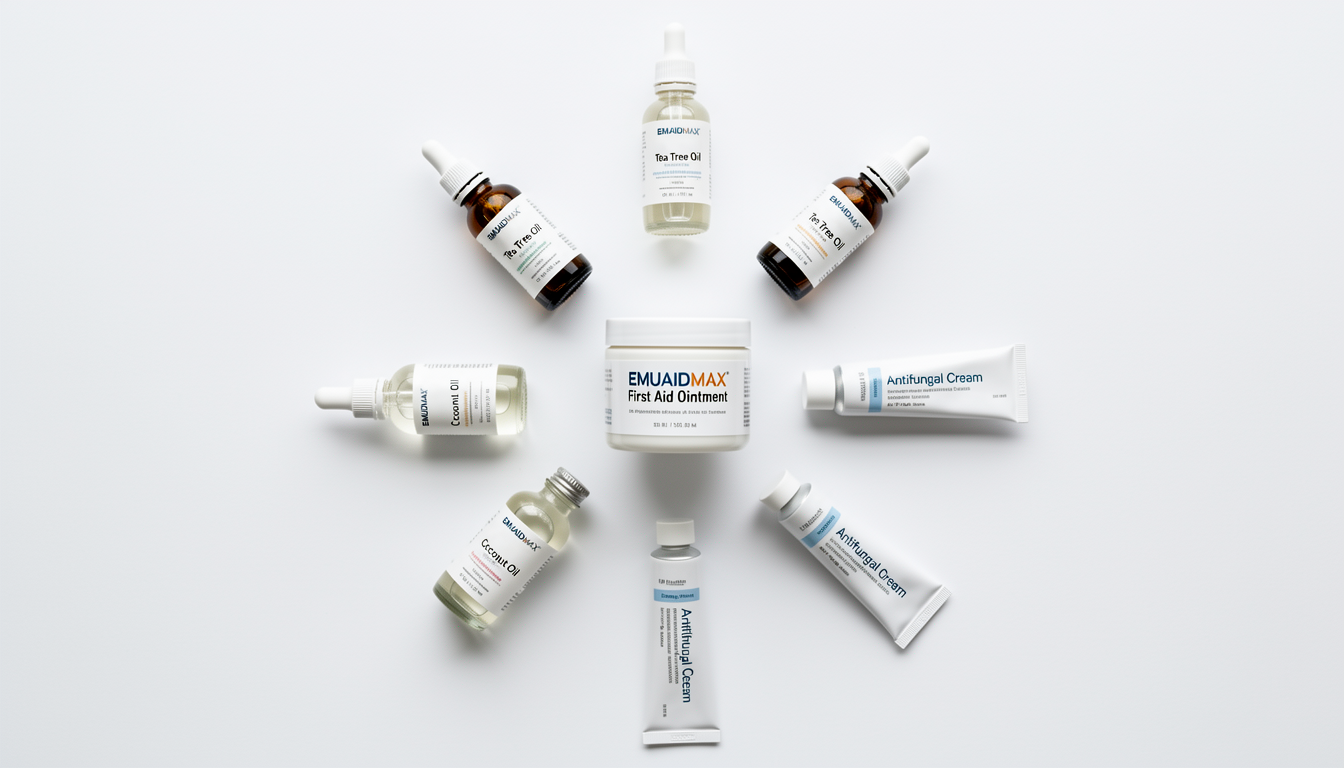
Ringworm is a common fungal infection that produces red, itchy, scaly patches on the skin. Despite its name, it’s caused by a fungus rather than a worm. Treating it promptly helps clear the infection, limit spread, and ease discomfort. This round-up covers eight products that can help manage ringworm—from targeted ointments to natural remedies and hygiene-focused items—so you can choose what fits your situation.
1. EMUAIDMAX First Aid Ointment
For those looking for a potent topical option, EMUAIDMAX First Aid Ointment is a concentrated homeopathic formula intended to penetrate the skin and address several issues at once. Its higher-strength formulation aims to relieve pain, swelling, and itching while offering activity against bacteria and fungi, so some people use it as part of ringworm care.
EMUAIDMAX combines medical-grade, bio-active ingredients such as Argentum Metallicum (colloidal silver), noted for broad-spectrum anti-infective properties, and a larger amount of Tea Tree Oil than the regular formula. Ingredients like Emu Oil, Ceramides, Phytosphingosine, and Allantoin help moisturize, support the skin barrier, and calm irritation. The product is dermatologist-tested, marketed as suitable for sensitive skin, and formulated without certain artificial preservatives, fragrances, or chemicals. Many users report improvements in pain and itching when used consistently.
2. Clotrimazole Cream
Clotrimazole is a common over-the-counter antifungal that treats skin infections like ringworm, athlete’s foot, and jock itch. It works by stopping the fungus from growing, which helps the infection clear.
Creams with 1% clotrimazole are widely available and usually applied twice a day to the affected area. People often notice itching ease within a few days and the rash beginning to fade. Typical treatment lasts 1 to 3 weeks, and continuing for a few days after symptoms resolve is recommended to reduce the chance of recurrence.
3. Terbinafine Cream
Terbinafine is another effective OTC antifungal from the allylamine class; it kills the fungus rather than only slowing its growth.
Terbinafine 1% comes in creams and sprays (for example, Lamisil AT) and is generally used once or twice daily. Studies show both azoles (like clotrimazole) and allylamines (like terbinafine) work against ringworm. The CDC notes terbinafine is especially effective for athlete’s foot (tinea pedis). As with other topical treatments, continuing application for 1 to 3 weeks and a short period after symptoms disappear helps ensure full resolution.
4. Miconazole Nitrate Cream
Miconazole is an azole antifungal similar to clotrimazole and is a common OTC choice for ringworm, jock itch, and athlete’s foot. It relieves itching and reduces fungal overgrowth that causes discoloration and irritation.
Typical preparations contain 2% miconazole nitrate and are applied twice daily until the rash clears. Many users report it helps soothe itching and supports healing, but consistent use is important for best results.
5. Ketoconazole Shampoo/Cream
Ketoconazole is an antifungal effective against several fungal infections, including some forms of ringworm. Creams at 2% can be prescription-strength, while lower-strength options and medicated shampoos like Nizoral A-D are often available without a prescription.
Ketoconazole shampoo is useful for scalp ringworm (tinea capitis) to reduce spread, although oral medication is commonly needed to fully clear scalp infections. As a topical cream it may be applied once daily and can be a convenient choice for some skin infections because it halts fungal growth.
6. Tea Tree Oil
Tea Tree Oil (Melaleuca alternifolia) is a widely used natural remedy with antifungal and antibacterial activity. It has a long history of traditional use and is now commonly used for fungal skin issues.
When applied for ringworm, tea tree oil should be diluted in a carrier oil like coconut oil to avoid irritation. A typical approach is a few drops mixed into a tablespoon of carrier oil, applied two to three times daily. It can work well for many people, but do a patch test first if your skin is sensitive.
7. Coconut Oil
Coconut oil is valued for its antimicrobial and antifungal components, making it a gentle option for mild ringworm cases. The fatty acids in coconut oil can disrupt fungal cell membranes, helping to reduce fungal load.
It also moisturizes and soothes dry, irritated skin. Apply coconut oil to affected areas several times a day—many recommend at least three applications daily. Its simplicity and conditioning effects make it a practical choice, especially for scalp involvement where it can also help nourish hair.
8. Antifungal Body Washes/Soaps
Using an antifungal body wash or soap as part of your routine can support ringworm treatment, particularly for more widespread infections or people who get recurrent infections. These products help remove fungal spores and lower the chance of spread.
Many antifungal washes include tea tree oil or other natural antiseptic ingredients to target fungi and bacteria. Brands such as Defense Soap offer options tailored for athletes or anyone needing extra protection. Regular use, especially after sweating or exercise, helps keep the skin drier and less hospitable to fungus.
Key Takeaways
- Ringworm is a contagious fungal infection, not a worm.
- OTC antifungal creams with clotrimazole, terbinafine, or miconazole often work well for mild to moderate cases.
- EMUAIDMAX First Aid Ointment blends antifungal activity with ingredients aimed at skin repair and inflammation control.
- Natural options like diluted tea tree oil and coconut oil have antifungal effects and can be used as supportive care, especially for mild cases or sensitive skin.
- Scalp ringworm usually requires prescription oral medication, typically combined with an antifungal shampoo.
- Good hygiene—keeping the area clean and dry, washing hands, and sanitizing clothing and bedding—helps prevent spread and recurrence.
FAQ
How long does it take for ringworm to clear up with treatment?
Mild skin cases often clear within 1 to 3 weeks with regular use of OTC antifungal creams. More severe or widespread infections can take longer—sometimes 6 to 12 weeks—or need prescription medication. Continue treatment for a few days after symptoms disappear to help ensure the fungus is fully gone.
Can ringworm go away on its own?
Ringworm can occasionally resolve without treatment, but that’s uncommon and slow; it can take weeks or months and remains contagious. Treating it reduces spread and the chance it will worsen, so medical or over-the-counter treatment is usually recommended.
Effective ringworm management combines appropriate topical or oral treatments with consistent hygiene. Choosing suitable products and following treatment directions can reduce discomfort and speed recovery. If symptoms persist, spread to the scalp or nails, or worsen despite treatment, see a healthcare provider for prescription options. Taking prompt action will help you get back to comfortable skin more quickly.